
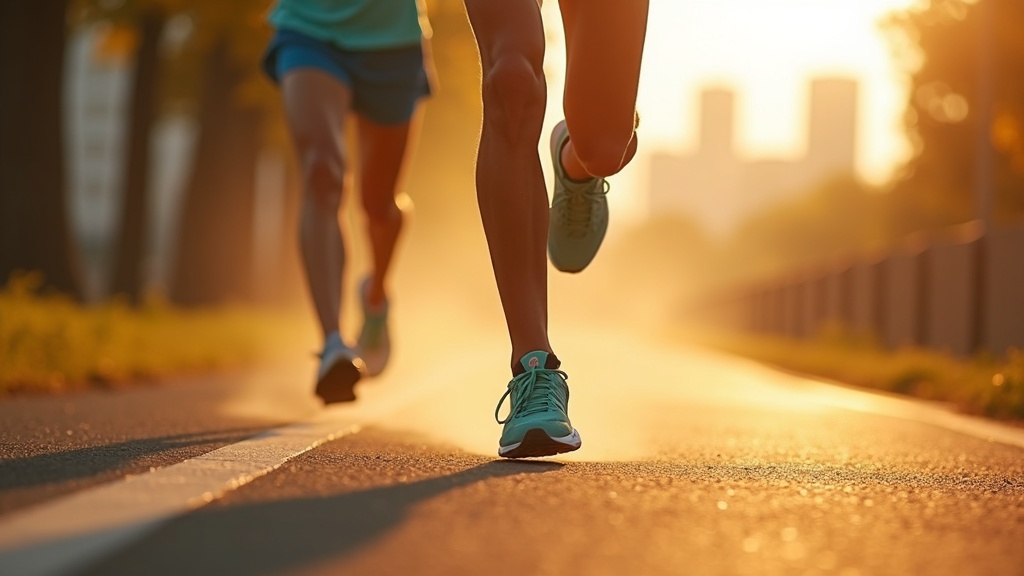
Every time your foot hits the ground during a run, the impact travels up through your ankles, knees, and hips. One step isn’t a problem. But multiply that by thousands of steps per run, week after week, and those impacts add up fast.
That’s where shoes for joint protection come in. The goal isn’t to make running feel like walking on clouds. It’s to reduce the repetitive stress that can irritate cartilage, strain tendons, and wear down the cushioning your body naturally provides. Over time, that matters more than you might think.
The catch is that not all joint problems are the same. Someone dealing with achy knees needs different support than someone with ankle instability or hip discomfort. A shoe that helps one runner might do nothing for another, or even make things worse.
This means choosing the right pair isn’t just about finding the most cushioned running shoes you can buy. It’s about understanding what your joints actually need. Do you need extra shock absorption under the heel? More stability through the midfoot? A softer landing or a firmer push-off?
In this guide, we’ll walk through the models that consistently help runners protect their joints over the long haul. We’ll focus on what makes each shoe work, what kind of joint issues it addresses, and how to match the right features to your body. Because the best shoe for joint protection is the one that fits the way you run and the specific stress you’re trying to reduce.
The shoe features that usually matter most for joint-friendly running
When you’re looking at running shoes online or holding them in a store, a few key features make a real difference in how much pounding your knees and hips absorb. You don’t need to become an engineer to spot them.
Cushioning is the obvious one. Soft foam under your foot spreads impact over a longer moment, which feels gentler on your joints. But cushioning alone isn’t the whole story. You also want some support, meaning the shoe shouldn’t collapse sideways when your foot lands. If you feel wobbly or like your ankle might roll, that shoe isn’t giving you the stability you need.
Stack height refers to how much foam sits between your foot and the ground. More stack generally means more cushion, which many runners find easier on the knees. Just know that very tall stacks can feel a bit disconnected from the road at first.
A rocker shape is a gentle curve in the sole that helps your foot roll smoothly from heel to toe. It takes pressure off your calf and Achilles, which can indirectly ease stress on knees and hips. If your stride feels choppy or you’re working too hard to push off, a rocker can help.
Heel-to-toe drop is the height difference between the heel and forefoot. A higher drop shifts more load toward your heel. A lower drop spreads it more evenly but asks more of your calves. If you have cranky knees, a moderate to higher drop often feels better.
Finally, the upper should hold your foot snugly without pinching. A sloppy fit means your foot slides around inside, and that extra motion can throw off your stride and create strain where you don’t want it.
Shoes that tend to feel knee-friendly on everyday runs
Knees are usually the first to complain when something’s off with your running shoes. What helps most is a shoe that lands predictably, rolls smoothly from heel to toe, and absorbs shock without feeling mushy or unstable underfoot. You want cushioning that protects without making you wobble.
The ASICS Gel-Nimbus is a long-time favorite for runners who want plush cushioning that still feels controlled. It’s especially popular with people who run on pavement and want something soft enough to take the edge off but structured enough to feel secure. If you tend to land hard or run longer distances on roads, this is the type of shoe people reach for.
Brooks Glycerin works well for runners who want a smoother, more adaptable feel. It’s softer than some other cushioned options but doesn’t sacrifice stability. Many people who’ve had knee discomfort in firmer shoes find the Glycerin feels gentler on each landing without feeling like they’re running on a waterbed.
HOKA Clifton stands out because it’s surprisingly light for how much cushioning it offers. It suits runners who want serious shock absorption but don’t want to feel weighed down. The thick midsole can look unusual, but it tends to feel natural once you’re moving. It’s a good match if you want maximum padding without the bulk.
New Balance Fresh Foam 1080 appeals to people who want cushioning that adapts to different paces and surfaces. It’s soft but responsive, which means it works whether you’re jogging easy or picking up speed. Runners who vary their pace or who want one shoe that handles multiple types of runs often choose this one.
None of these shoes will magically fix knee pain, but they’re designed with features that many runners find helpful over time.
Shoes that can help when hips or lower back get cranky
When discomfort shows up in your hips or lower back during or after a run, the culprit is often how your foot meets the ground. Hard impacts can send shockwaves up the chain. Abrupt heel-to-toe transitions can create little jolts that add up over miles. And if your foot rolls too much side to side, your hips and pelvis have to work overtime to keep you steady.
Many runners with hip or back sensitivity gravitate toward shoes with thick, soft cushioning and a smooth rocker shape. The extra padding absorbs impact before it travels upward. The rocker helps your foot roll forward naturally, so there’s less of that harsh slap-down feeling with each step.
The HOKA Bondi is a go-to here. It feels like running on a marshmallow, with a curved sole that almost propels you forward. The ASICS Gel-Kayano offers plush cushioning but adds a bit of support on the inner edge for runners who need help controlling side-to-side wobble. The Saucony Triumph gives you a soft, bouncy ride without feeling mushy, and it’s light enough that your legs won’t feel weighed down.
If you notice your hips getting tired or achy, especially on longer runs, the Brooks Adrenaline GTS is worth trying. It’s not as pillowy as the Bondi, but it has a stable platform that keeps your foot from rolling inward too aggressively. That can take pressure off your hips and lower back.
Not everyone needs maximum cushioning or added stability. Some runners do better with a firmer, more responsive feel. The key is paying attention to how your body feels a few hours after a run, not just during it.
Shoes that may feel kinder to ankles and Achilles
If your ankles feel wobbly on runs or your Achilles tendon gets cranky, the shoes you’re wearing might be part of the story. Two features matter most here: how high the heel sits compared to the forefoot, and how stable the platform feels underfoot.
The difference in height between heel and forefoot is called the drop. A shoe with a 10mm or 12mm drop keeps your heel noticeably higher, which can take some tension off the Achilles tendon. A lower drop brings your heel closer to the ground, which some runners love for a more natural feel but can increase the stretch on that tendon. Neither is universally better. It depends on what your body is used to and where you’re feeling stress.
Ankle wobbliness often comes from a soft, squishy midsole or a narrow base. A firmer platform or a wider footprint gives your ankle more support when you land, so you’re not constantly micro-correcting your balance.
The Brooks Ghost offers a smooth, neutral ride with a moderate drop and a stable feel that works well for runners who want cushion without feeling like they’re sinking into foam. The ASICS GT-2000 adds a bit more structure and guidance, which can help if your ankles tend to roll inward. The HOKA Arahi uses a wider base and gentle support rails to keep your foot centered without feeling stiff. And the Saucony Ride balances soft cushioning with a firmer heel, giving you comfort and confidence on uneven ground.
If you’ve had Achilles issues before, don’t ignore even mild tightness. Sometimes a small tweak in drop or stability makes all the difference.
Trail running: what changes when you want joint protection off-road
Trail running throws your joints a completely different set of challenges than pavement does. Your feet land on roots, rocks, and angled surfaces. You brake hard going downhill, which hammers your knees and ankles. You shift sideways constantly to stay balanced on uneven ground.
All that lateral movement and unpredictable foot placement means your joints work harder in more directions. The impact isn’t just up and down anymore. Your ankles twist slightly with every step. Your knees absorb force from odd angles. Over time, this adds up if your shoes aren’t giving you the right support.
What you need is different from road running. Grip matters more because slipping forces your joints to catch you awkwardly. A stable base keeps your foot from rolling when you land on something uneven. Protection underfoot saves your joints from reacting to every sharp rock. And you still want cushioning, but not the kind that feels wobbly or disconnected from the ground.
The HOKA Speedgoat is popular for rocky, technical trails because it pairs thick cushioning with a surprisingly stable ride. The Salomon Sense Ride offers lighter protection with good ground feel for smoother trails. Brooks Cascadia is a solid all-rounder if you want balanced cushioning without too much bulk. The ASICS Trabuco works well on mixed terrain where you need both grip and shock absorption.
Each model suits slightly different trail conditions, but the common thread is stable comfort. You want a shoe that protects your joints without making you feel like you’re running on marshmallows. On trails, that balance matters even more than it does on the road.
How to tell in a try-on if a shoe is likely to protect your joints
The store mirror test only tells you so much. What you really need to know is whether a shoe will still feel good halfway through your run, not just while you’re standing on carpet under fluorescent lights.
Start by jogging a few steps in place or down the aisle if the store allows it. Pay attention to how your foot lands. Does it feel stable, or do you sense a bit of wobble? A shoe that protects your joints should guide your foot through a smooth, controlled motion without tipping side to side.
Next, check whether the heel feels snug but not tight. Your heel shouldn’t slip up and down as you walk. If it does, you’ll end up with blisters and an unstable stride that puts extra strain on your knees and hips over time.
Wiggle your toes. You want about a thumb’s width of space in front of your longest toe. Feet swell during runs, and cramped toes change how your whole foot strikes the ground. That small change ripples up through your ankles and knees.
Now walk around and notice any hot spots or pressure points. These won’t magically disappear after break-in. They’ll just show up faster and louder on mile three. If something pinches or rubs in the store, it’s a deal-breaker.
Try a few stairs if possible, or at least stand on your toes and rock back. Does anything twinge in your knees? Does the cushioning feel comforting and supportive, or does it feel mushy and unstable, like you’re standing on a marshmallow?
Make a quick pivot or turn. The shoe should move with you, not against you. Wear the same type of socks you’ll actually run in. Thin dress socks will make everything feel different than your usual running pair.
Longevity running gear: using shoes in a way that keeps joints happier
Even the best shoes for joint protection don’t stay that way forever. The cushioning foam compresses with every step you take, slowly losing its ability to absorb shock. The materials break down gradually, so you might not notice day to day, but after a few months that plush feeling fades into something flatter and less forgiving.
When cushioning breaks down, your joints feel it first. Your knees or hips might start complaining on runs that felt fine a month ago. That’s often your body telling you the shoe isn’t doing its job anymore, even if the outside still looks decent.
Uneven wear on the outsole can also change how your foot lands with each stride. If one side wears down faster, you’re essentially running on a tilted surface. Over time, that subtle shift can create new stress points your joints weren’t dealing with before.
A smart trick for reducing repetitive stress is rotating between two pairs of shoes that feel slightly different. Maybe one is softer, the other a bit firmer. Switching them around means your joints and muscles aren’t repeating the exact same motion pattern every single day. Some runners find this makes a real difference in how their body feels over weeks and months.
Watch for simple signs that a shoe has reached the end of its useful life. New aches that don’t go away. Visible creases or tears in the upper fabric. Loss of that bouncy sensation underfoot. Smooth, worn patches on the bottom where tread used to be. Most running shoes give you somewhere between three and six months of solid joint protection, depending on how often you run and the surfaces you choose. When the comfort disappears, it’s time to move on.