You probably think about hydration before and during your runs. Most runners do. You grab water beforehand, maybe carry a bottle on longer routes, and chug some when you finish. That all makes sense.But here’s what catches people off guard: the hydration mistakes that really mess with your recovery usually happen after you stop running. Your body is working hard to repair muscle tissue, clear out waste, and restock energy stores. All of that requires…

You’ve probably seen runners wearing those tight socks or sleeves that look like they belong in a sci-fi movie. Maybe you’ve wondered if they actually work, or if they’re just another expensive item the running industry wants you to buy.Compression gear has become everywhere in running circles. The promise sounds great: slip on some snug fabric after your run and recover faster, feel less sore, and bounce back quicker for your next workout. But sorting…
You finish a long run and your legs feel like concrete. Your hip flexors are tight. Your calves are screaming. You know you should do something about it, but the idea of driving to a massage therapist or shelling out for a fancy recovery studio just feels like too much.Here’s the thing: recovery doesn’t have to be expensive or complicated. You don’t need a spare room converted into a personal gym. You don’t need those…
You finish a run, feel great for about an hour, and then your legs start talking to you. Sometimes it’s a dull, achy heaviness. Other times it’s a sharp tightness in your calves or quads. Maybe your knees feel creaky, or your shins are tender to the touch.Here’s the thing: not all post-run soreness is the same. That matters because the recovery tool that works wonders for tight muscles might do nothing for swollen, fatigued…
You’ve nailed your training plan. You’re hitting your weekly mileage, showing up for those early morning runs, and maybe even getting faster. But here’s the frustrating part: you still feel tired, sore, or just not as sharp as you think you should.The problem might not be your running at all. It’s what happens between your runs that actually determines how well your body bounces back. Recovery is where the real magic happens, where your muscles…
You planned to run four times this week. Maybe five. But then work got crazy, or you caught a cold, or life just happened. Now it’s Sunday night and you haven’t laced up your shoes once. The guilt is creeping in.Here’s the truth: missing a week of running is completely normal. It happens to everyone, from casual joggers to people training for marathons. Your body isn’t going to forget how to run. Your fitness isn’t…
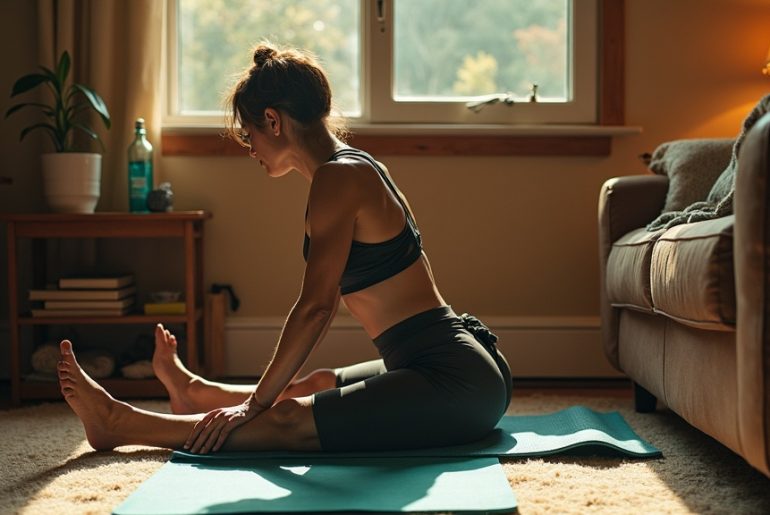
You just finished your run. You’re tired, sweaty, and honestly? The couch is calling your name. The last thing you want to do is spend twenty minutes on the floor doing complicated stretches you half-remember from high school gym class.Here’s the good news: stretching after running doesn’t have to be a whole production. You don’t need to hold each position for ages or work through fifteen different moves to get the benefits. A few simple…
Rest days can feel weird for runners. You wake up without a run on the schedule, and suddenly you’re not sure what to do with yourself. That familiar voice in your head starts whispering that you’re being lazy, that you’re losing fitness, that everyone else is out there logging miles while you sit around.But here’s the thing: rest days aren’t about doing nothing. They’re about doing something different. Your body needs a break from the…
If you’re a runner dealing with tight calves, sore quads, or that nagging knot in your hip, you’ve probably heard about foam rollers and massage guns. Both promise to help your muscles recover faster and feel better. But they work in pretty different ways.A foam roller is basically a firm cylinder you roll your body over, using your own weight to apply pressure. It’s simple, quiet, and has been around forever. A massage gun, on…